Seasonal Plant Lesson: Swiss Chard
Seasonal Plant Lesson: Swiss Chard
Created for 2/12/25 Open Farm Day, led by August.
Lesson Plan
Objective: Discuss the benefits of swiss chard in a garden and the different ways in which the plant can be utilized. Highlight the various plant partnerships to optimize benefits and how to
grow and save seed.
Duration: 1 hour
Introduction (15 minutes)
● Benefits of swiss chard: Swiss chard is a good source of fiber as well as vitamins A, C, and K and they contain calcium, potassium, magnesium, and iron. These nutrients and the plant’s antioxidants help protect our cells and encourage them to healthily reproduce. Cell reproduction is key to the body being able to receive medical treatments or recover from illness. Because chard is also high in iron, they helps us maintain a healthy heart and can be beneficial for people with anemia.
● How can I grow swiss chard? Swiss chard is a great green to grow in either warm or cool weather; fall or spring are the perfect time. They are originally from the Mediterranean and as such, they prefer a well draining, neutral to acidic soil and full or part sun, depending on the surrounding environment. They can be grown from seed or purchased as small plants and transplanted into your garden space. The seeds have hard exteriors and soaking them 24 hours before planting can help accelerate the germination process. They should be planted: 2 seeds in 1⁄2 inch deep holes, about 9-12 inches from each other. Make sure to water them regularly for consistent growth! If you see your seedlings struggle, try a round of compost tea to give them a boost of new root and foliar growth.
Chard in the Garden (20 minutes)
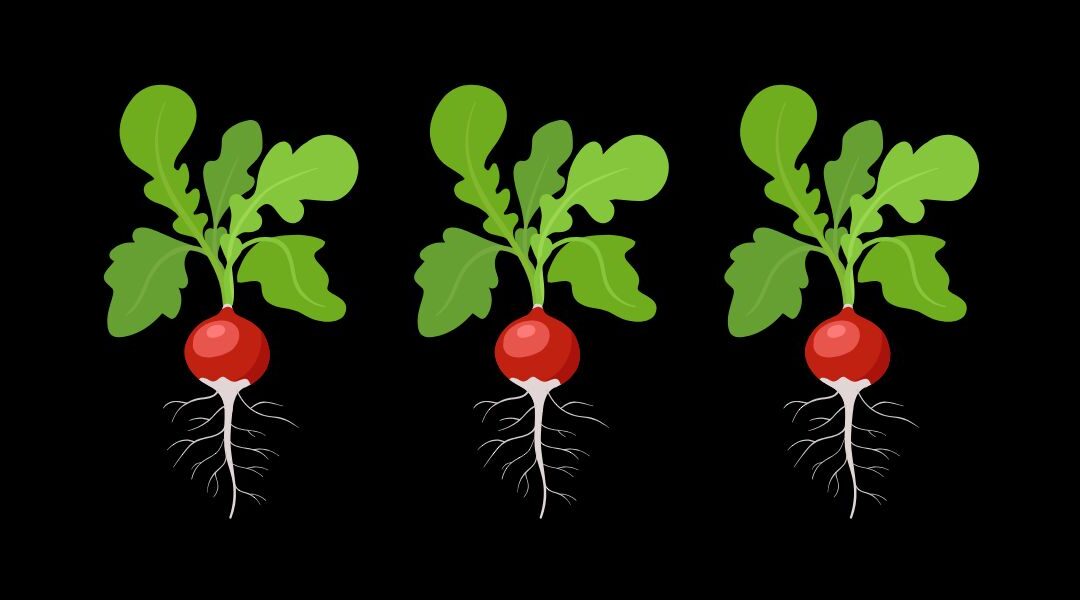
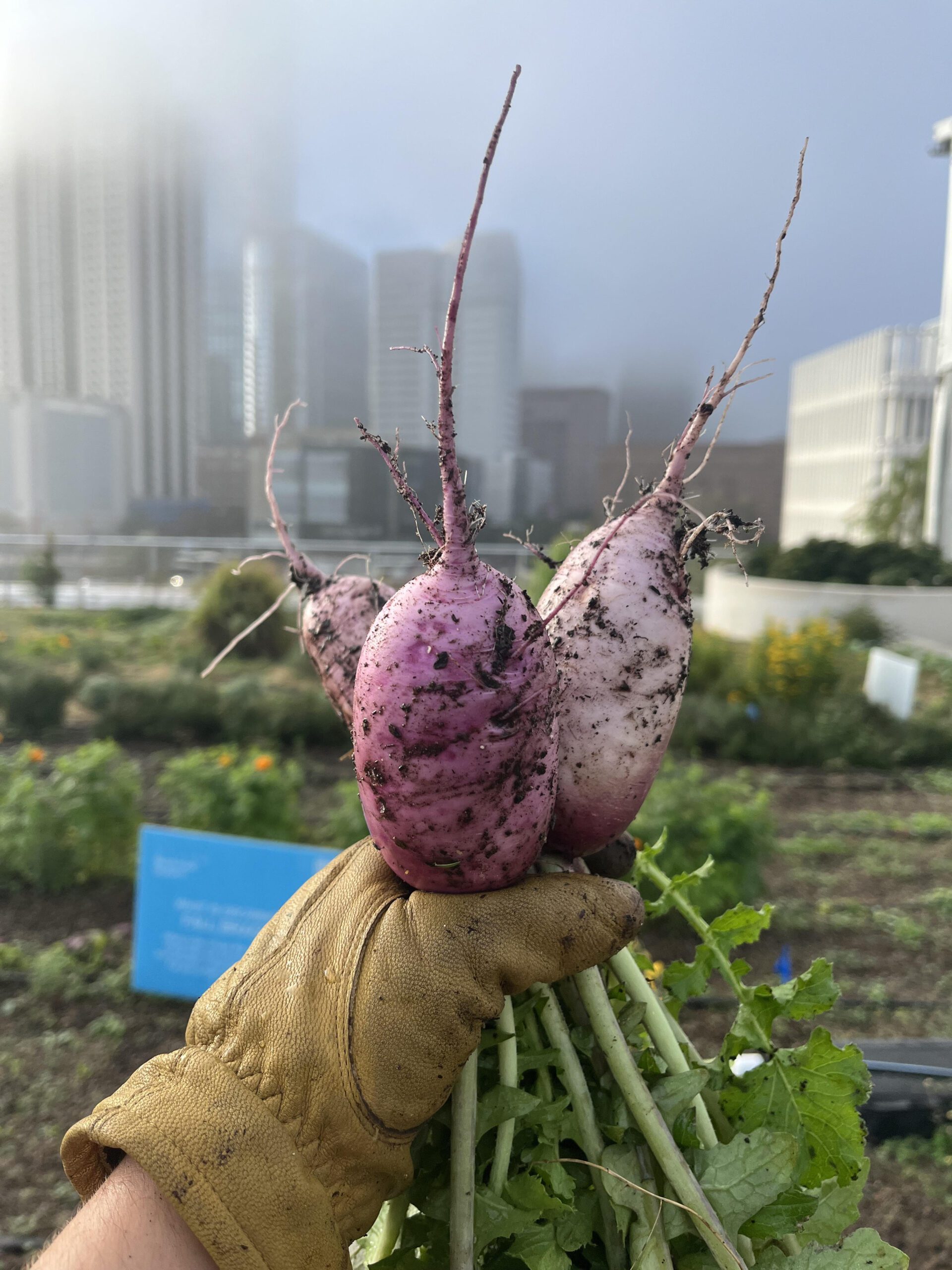
● Companion plants for chard: Chard is not as prone to pests as, say, the brassicas are but they can still benefit from companion planting practices. Onions, garlic, chamomile, and cilantro are all good plants for warding away the pests of chard and their seasons align with each other. Beans can be helpful for providing shade in the summer and will also fix nitrogen to break down leftover nutrients left by the chard. Radishes and
nasturtium can work as ‘trap’ crops that enrich the soil and compel pests to their leaves and away from other plants (you can still harvest the root off an aphid-eaten radish).
● Chard in the garden: Chard is a plant that can be grown in autumn, spring, and early summer, making it a great plant to utilize when it becomes too hot for other leafy green vegetables such as lettuce and cabbage. If allowed to flower, their blooms will attract pollinators of all kinds from wasps to butterflies to bees. This can be helpful if you are trying to get other crops such as cucumbers or tomatoes pollinated. You can also utilize
the pollinators as a form of pest control, beneficial predators can include lady bugs, lacewings, and parasitic wasps.
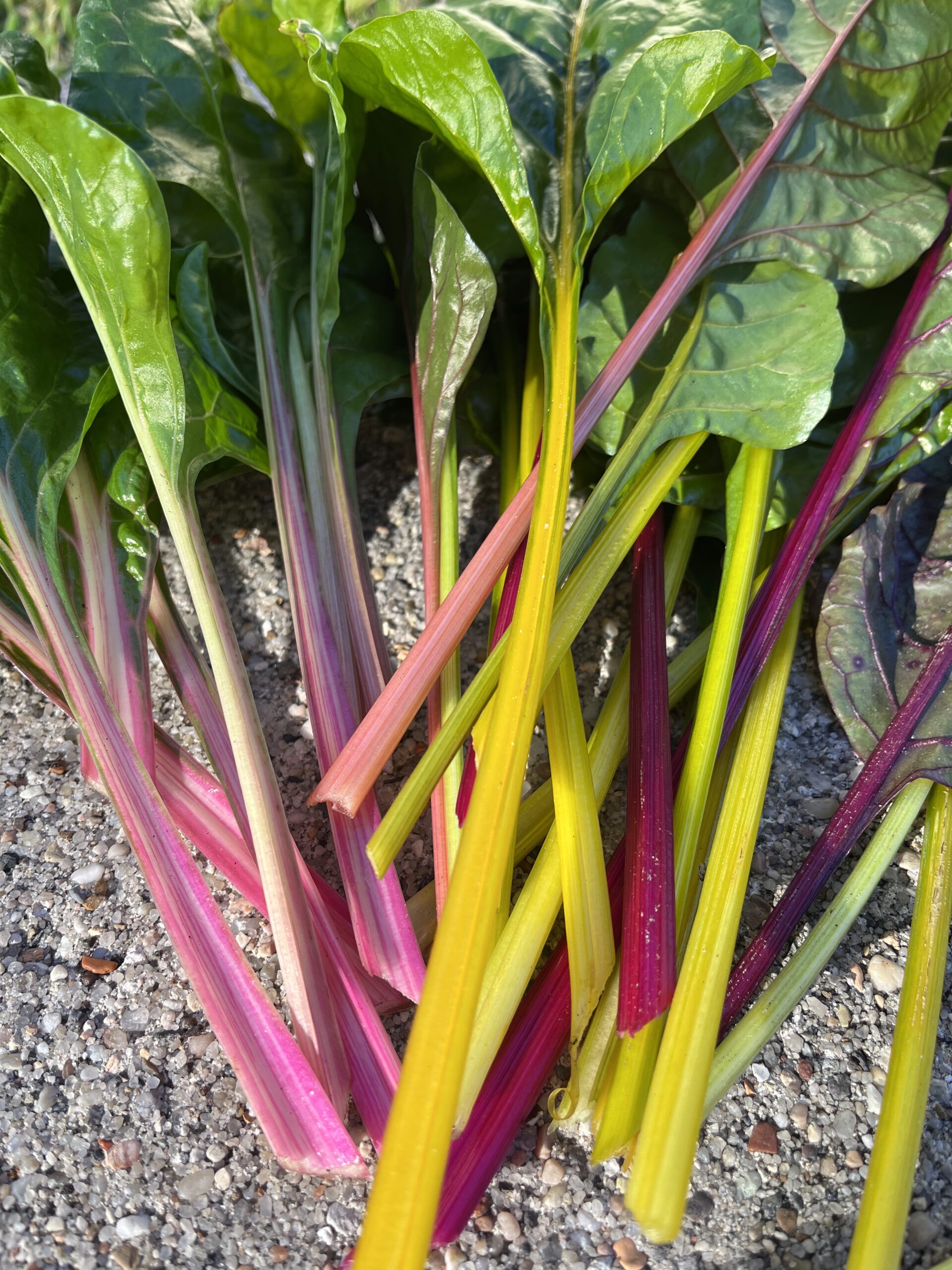
● Chard on the Skyfarm: Chard is a beautiful, colorful green and grows in the spring for us at the Skyfarm. Once the warmer weather rolls through in the early summer, the chard will flower and then go to seed.
Plant chard seeds together!
Utilizing Chard (20 minutes)
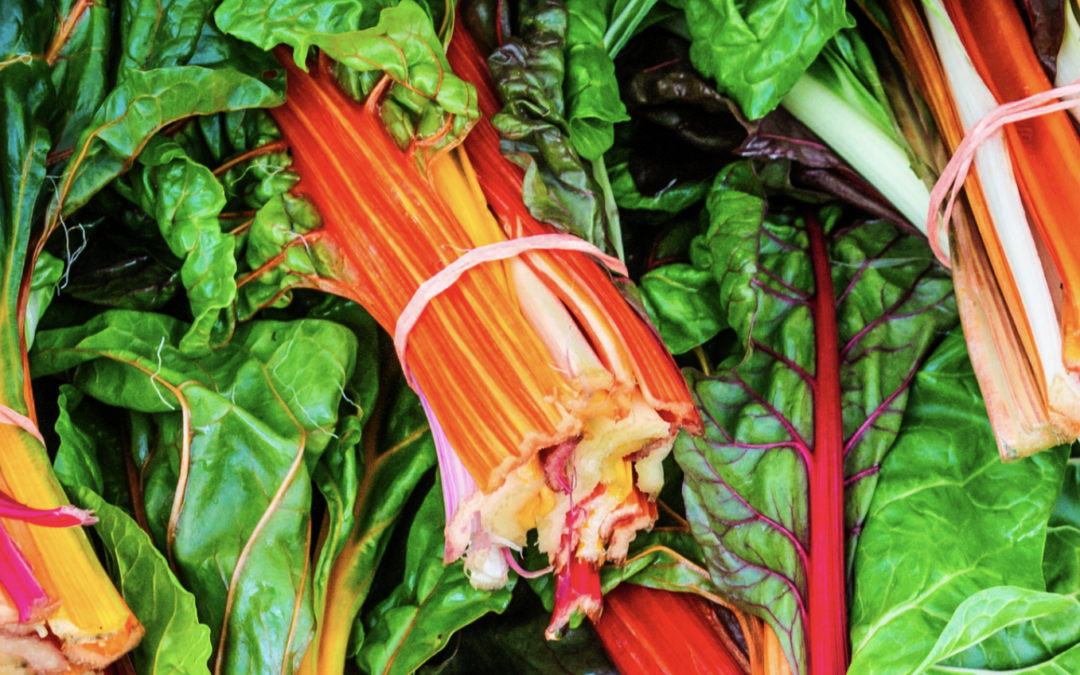
● How to prepare chard: Chard is a mild tasting vegetable and as such can be added to nearly anything from smoothies, sautees, and salads to soups and pickles. The stems and leaves are the part of the plant primarily consumed.
Q&A and Interactive Discussion (10 minutes)
Encourage participants to share their experiences with leafy green vegetables in their gardens or cuisines, discuss how to incorporate Swiss chard into their growing spaces and practice responsible seed saving practices.
Materials Needed: chard seed, field hoes
Outcome: Participants will leave with an in-depth understanding of symbiotic plant relationships and how to identify the needs of each plant partnership as it relates to chard. Furthermore,
participants will be able to identify sustainable gardening practices and how to adapt them to their spaces (in regards to plant selection).